AWARDS
Paper, Poster, and Thesis Awards
- Best Poster Runner-up Award, CSE Research Symposium, University of South Carolina, 2023 (Reza Tavasoli)
- Best Poster Award, Engineering and Computing Division at Discover, University of South Carolina, 2023 (Rahul Bulusu)
- Best Poster Runner-up Award, ACM HotMobile, 2022 (Ian McDowell, Rahul Bulusu)
- Best Poster Honorable Mention, ACM UbiComp, 2021 (Jackie Schellberg)
- Best Poster Award, ACM HotMobile, 2021 (Timothy Dayne Hooks, Hem Regmi)
- Best Poster Runner-up Award, ACM HotMobile, 2021 (Hem Regmi, Sabbir Saadat)
Student Grants, Fellowships, and Honors
- USC Outstanding Senior Award, Apr. 2023 (Rahul Bulusu)
- IEEE INFOCOM Travel Grant Award, Apr. 2023 (Aakriti Adhikari)
- Magellan Scholar Award, Fall 2023 (Vansh Nagpal)
- NSF Graduate Research Fellowship, Mar. 2023 (Rahul Bulusu)
- ACM/IEEE IPSN Travel Grant Award, Mar. 2023 (Zhuangzhuang Gu)
- ACM HotMobile Travel Grant Award, Jan. 2023 (Jackie Schellberg)
- ACM HotMobile Travel Grant Award, Feb. 2023 (Siri Avula)
- ACM HotMobile Travel Grant Award, Jan. 2023 (Aakriti Adhikari)
- Nominated for the Outstanding Seniors Award, 2023, Jan. 2023 (Jackie Schellberg)
- Nominated for the Outstanding Seniors Award, 2023, Jan. 2023 (Edward Sitar)
- Invited to Participate in the CRA-WP Grad Cohort for Women, 2023 (Aakriti Adhikari)
- Magellan Scholar Award, Spring 2023 (Siri Avula)
- Finalist for the CRA Outstanding Undergraduate Researcher Award, 2023, Dec. 2022 (Edward Sitar)
- Nominated for the CRA Outstanding Undergraduate Researcher Award, 2023, Oct. 2022 (Jackie Schellberg)
- ACM SenSys Travel Grant Award, Oct. 2022 (Edward Sitar)
- ACM SenSys Travel Grant Award, Oct. 2022 (Nicholas Junker)
- Invited to Participate in the ACM Grace Hopper Celebration Conference from the CSE department, 2022 (Siri Avula)
- ACM MobiSys Travel Grant Award, May 2022 (Aakriti Adhikari)
- ACM MobiSys Travel Grant Award, May 2022 (Edward Sitar)
- ACM SIGMETRICS Travel Grant Award, May 2022 (Hem Regmi)
- Magellan Scholar Award, Fall 2022 (Jackie Schellberg)
- Magellan Scholar Award, Fall 2022 (Zachary Young)
- IEEE MTT-S Undergraduate Scholarships, 2022 (Jackie Schellberg)
- Magellan Scholar Award, Spring 2022 (Ian McDowell, Rahul Bulusu)
- Magellan Scholar Award, Spring 2022 (Edward Sitar)
- Invited to Participate in the ACM Grace Hopper Celebration Conference from the CSE department, 2021 (Aakriti Adhikari)
- Invited to Participate in the ACM Grace Hopper Celebration Conference from the CSE department, 2021 (Jackie Schellberg)
- Magellan Scholar Award, Spring 2021 (Timothy Dayne Hooks)
- Invited to Participate in the ACM Grace Hopper Celebration Conference from the CSE department, 2020 (Aakriti Adhikari)
Faculty Grants and Awards
Our research group has been generously supported by grants from the following funding agencies and industry partners. We truly appreciate their support and collaboration!




- National Science Foundation (NSF)
- CAREER-2144505: Vision and Learning Augmented D-Band Networking and Imaging, 2022 - 2027
- MRI-2018966: Acquisition of Omnipercipient Chamber for Gathering Ground Truth and Enabling Research on Smart and Connected Things, 2020 - 2023
- CNS-1910853: Software-Hardware Reconfigurable Systems for Mobile Millimeter-Wave Networks, 2019 - 2023
- Office of Naval Research (ONR)
- 4720009878 / N00014-23-1-2026: DURIP: ENACT- Enabling Next Adaptive Communication Technologies
- ASPIRE II, University of South Carolina, 2020 - 2023
- Equipment Grant, Texas Instruments
- Equipment Gift, Vista Medical
CAREER: Vision and Learning Augmented D-Band Networking and Imaging

Project Overview
- Principal Investigator: Prof. Sanjib Sur
- Team:
- Graduate Students: Hem Regmi; Aakriti Adhikari;
- Undergraduate Students:
- Support: NSF CAREER Program: NSF #2144505 CAREER: Vision and Learning Augmented D-Band Networking and Imaging
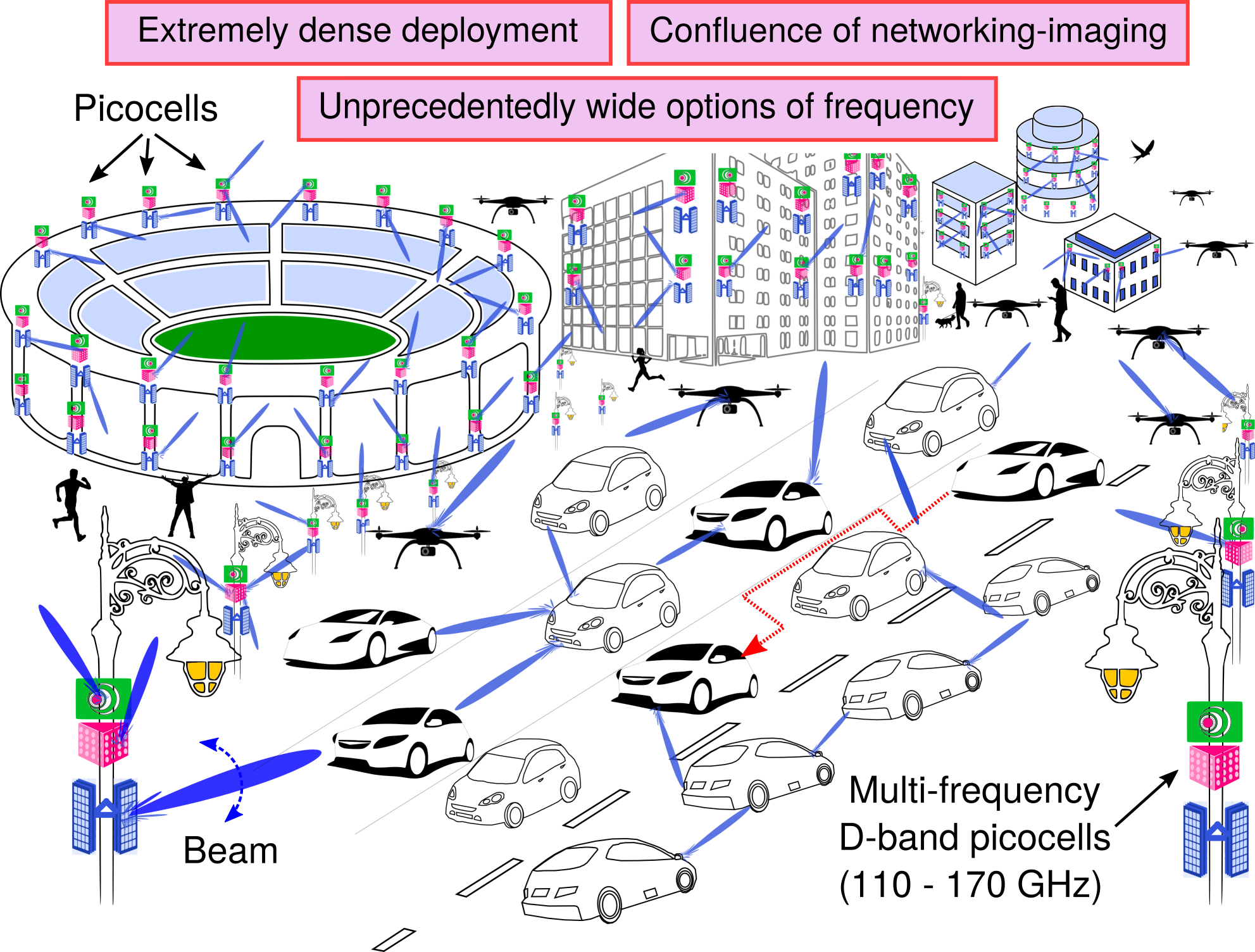
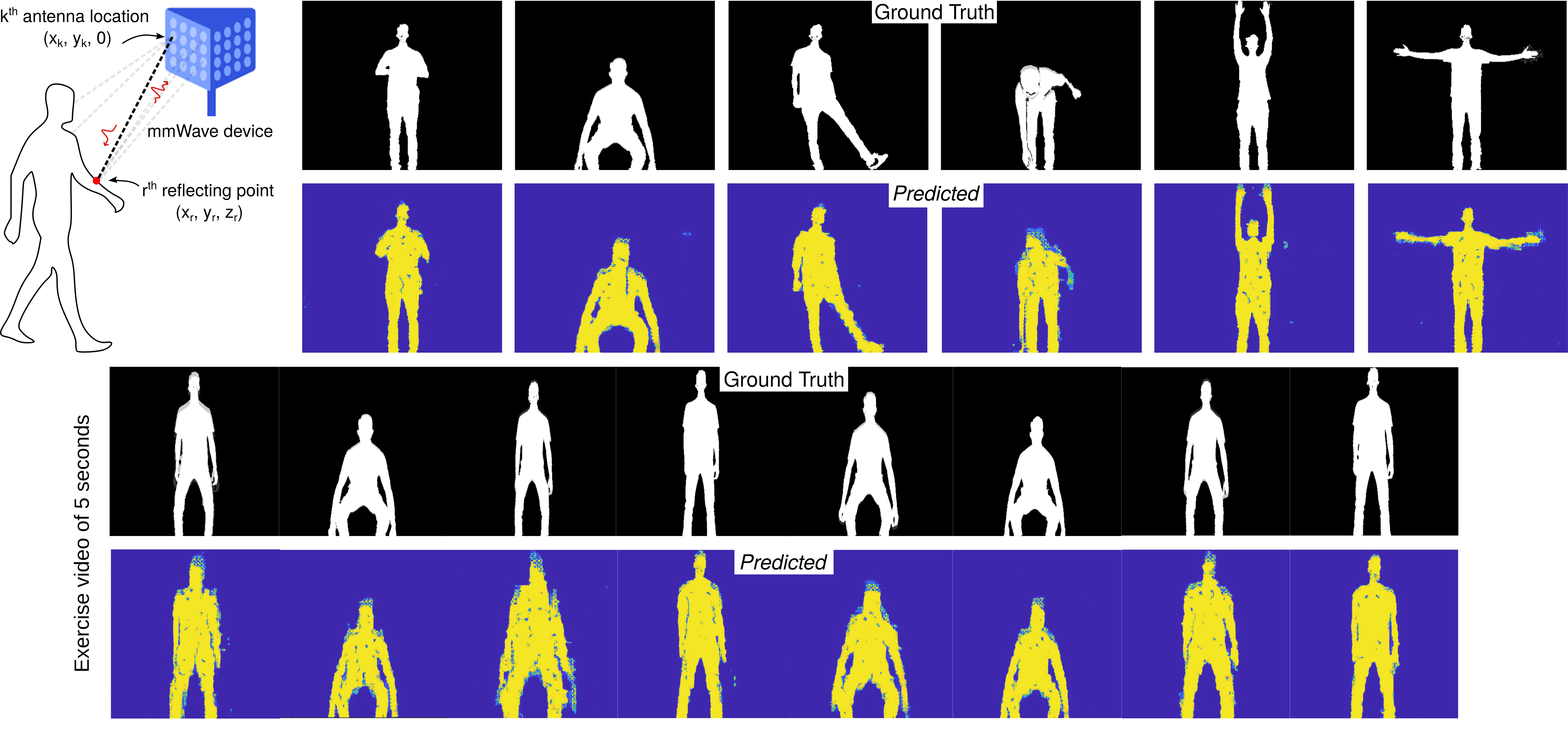
This project aims to enable the practical adoption of D-band mmWave networks and applications by solving the fundamental challenges in deployment, link adaptation, coordination, and unified networking-imaging. Specifically, the project explores an optical vision and deep learning augmented paradigm by thoroughly understanding the physical properties of the D-band channel, building measurement-driven empirical and learning models, and designing practical, real-time systems. Successful execution of this project would enable the following. (1) A framework for optimal deployment and a ?what-if? analysis tool to help optimize the cost and benefits of D-band deployment in both indoor and outdoor environments. (2) Link adaptation and coordination protocols that significantly minimize latency and maximize throughput and efficiency for scalable D-band networking. (3) A unified networking-imaging protocol that reduces disruptions to the throughput and latency and overcomes challenges with the channel specularity to enable high-resolution D-band images. The project will design, build, and empirically validate the proposed systems in a D-band testbed, and the testbed will be extended into an educational platform that enhances the knowledge of wireless networking and sensing for students at different levels.
Software-Hardware Reconfigurable Systems for Mobile Millimeter-Wave Networks

Project Overview
- Principal Investigator: Prof. Sanjib Sur
- Co-Principal Investigators: Prof. Srihari Nelakuditi; Prof. Guoan Wang
- Team:
- Graduate Students: Moh Sabbir Saadat; Jinqun Ge; Hem Regmi; Aakriti Adhikari;
- Undergraduate Students: Austin Hetherington; Timothy Dayne Hooks; Lance Kevin; Ian McDowell;
- Support: NSF CNS Core Program: NSF #1910853 CNS Core: Small: Software-Hardware Reconfigurable Systems for Mobile Millimeter-Wave Networks
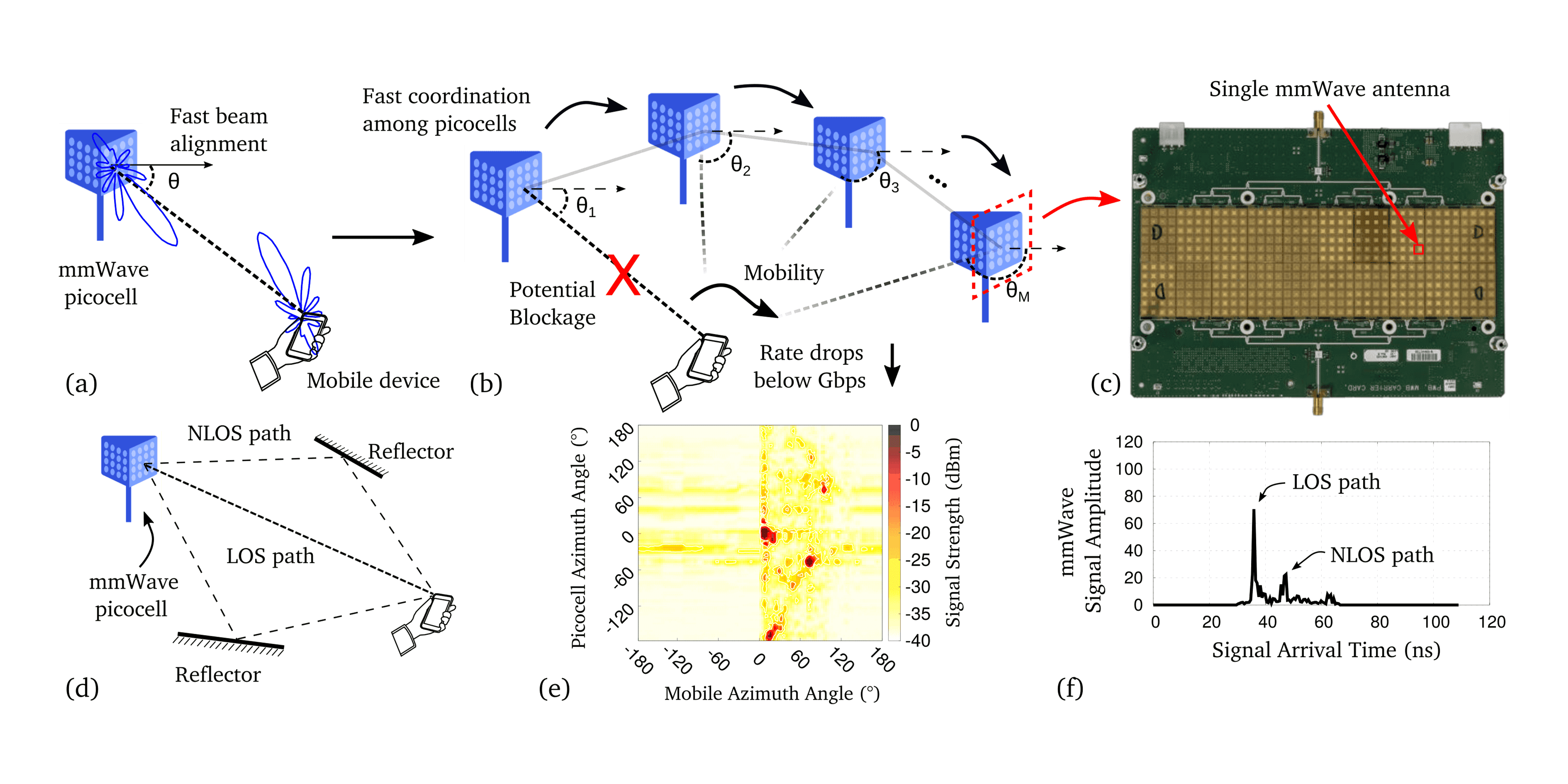
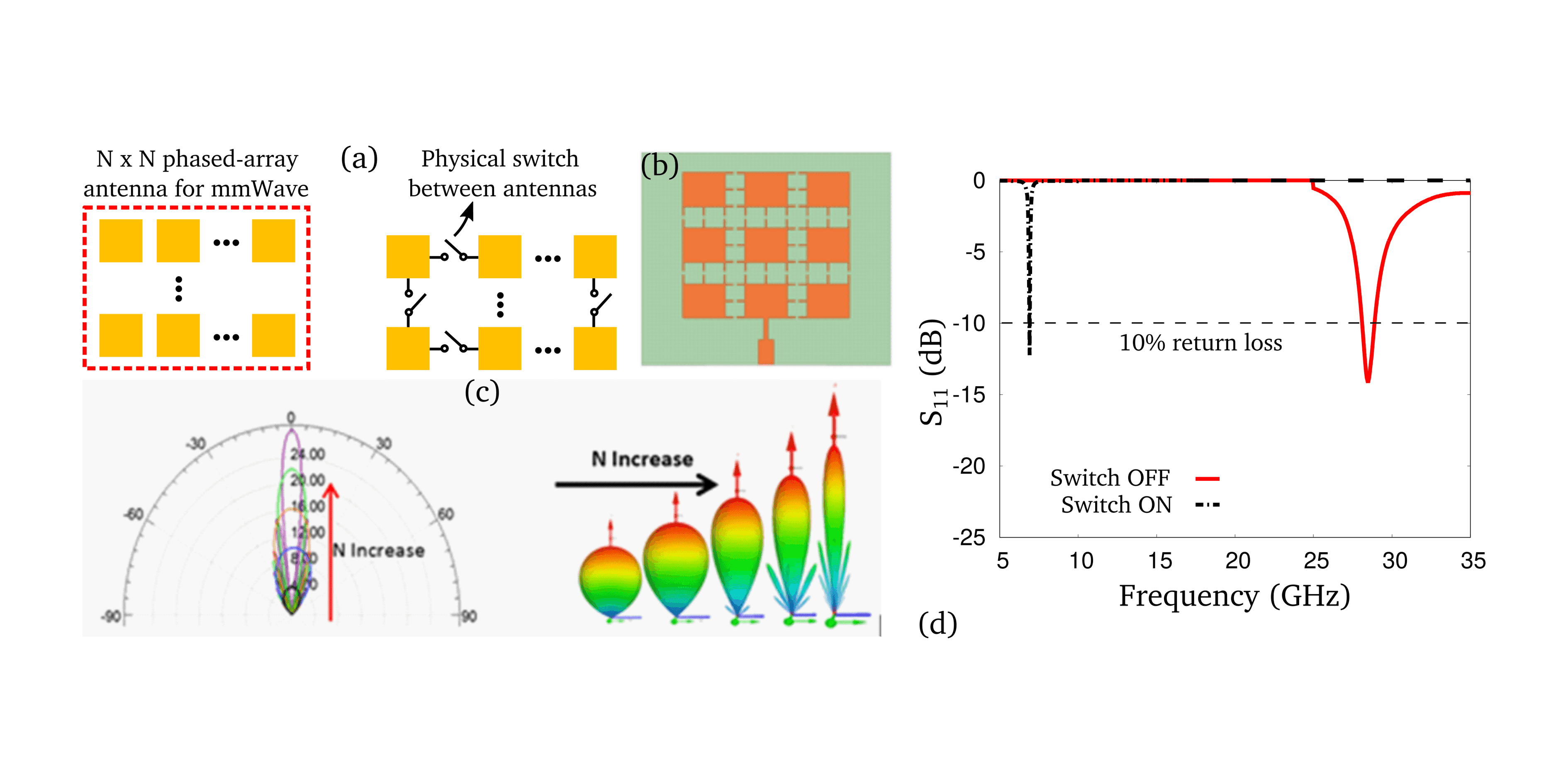
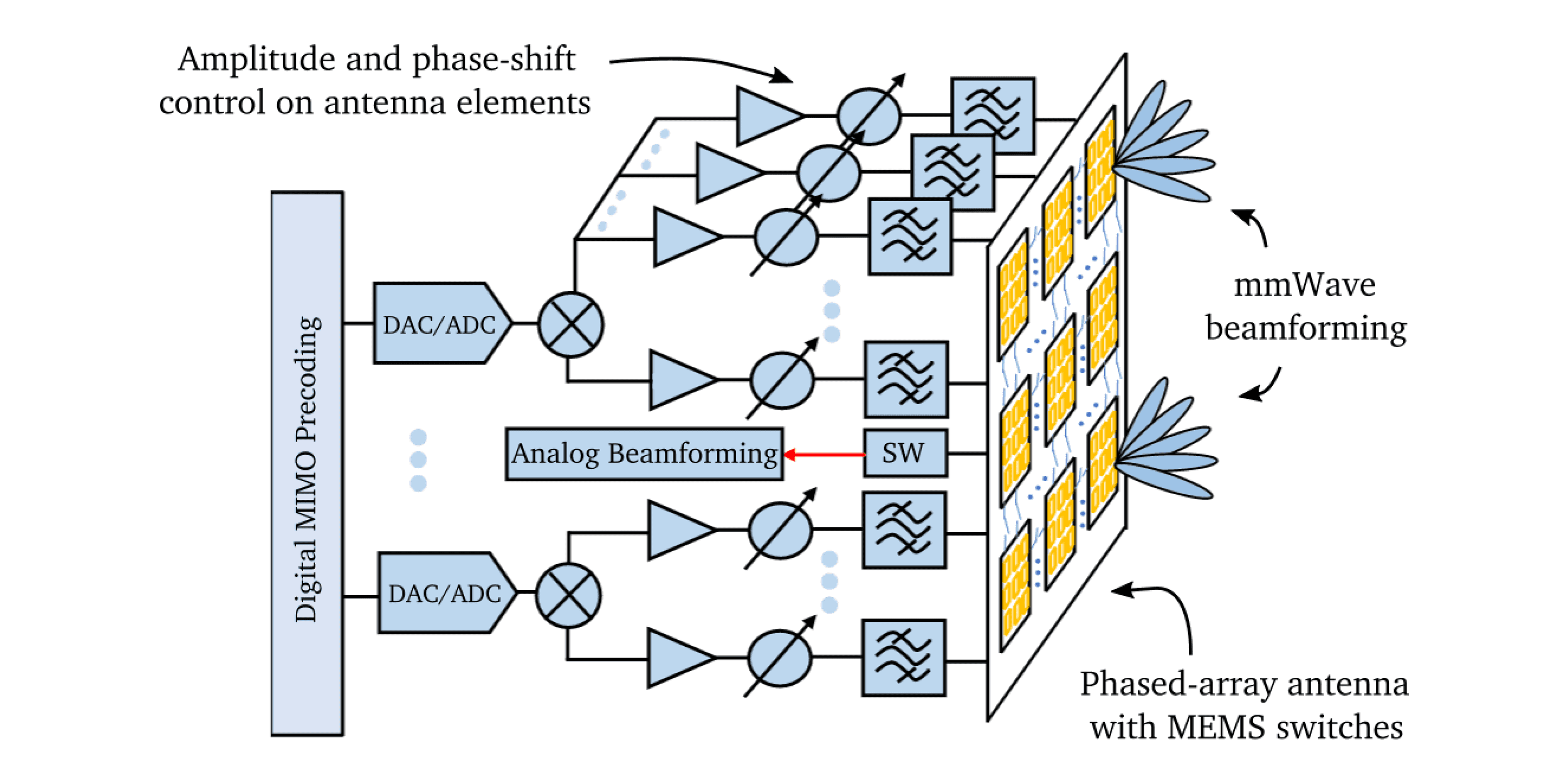
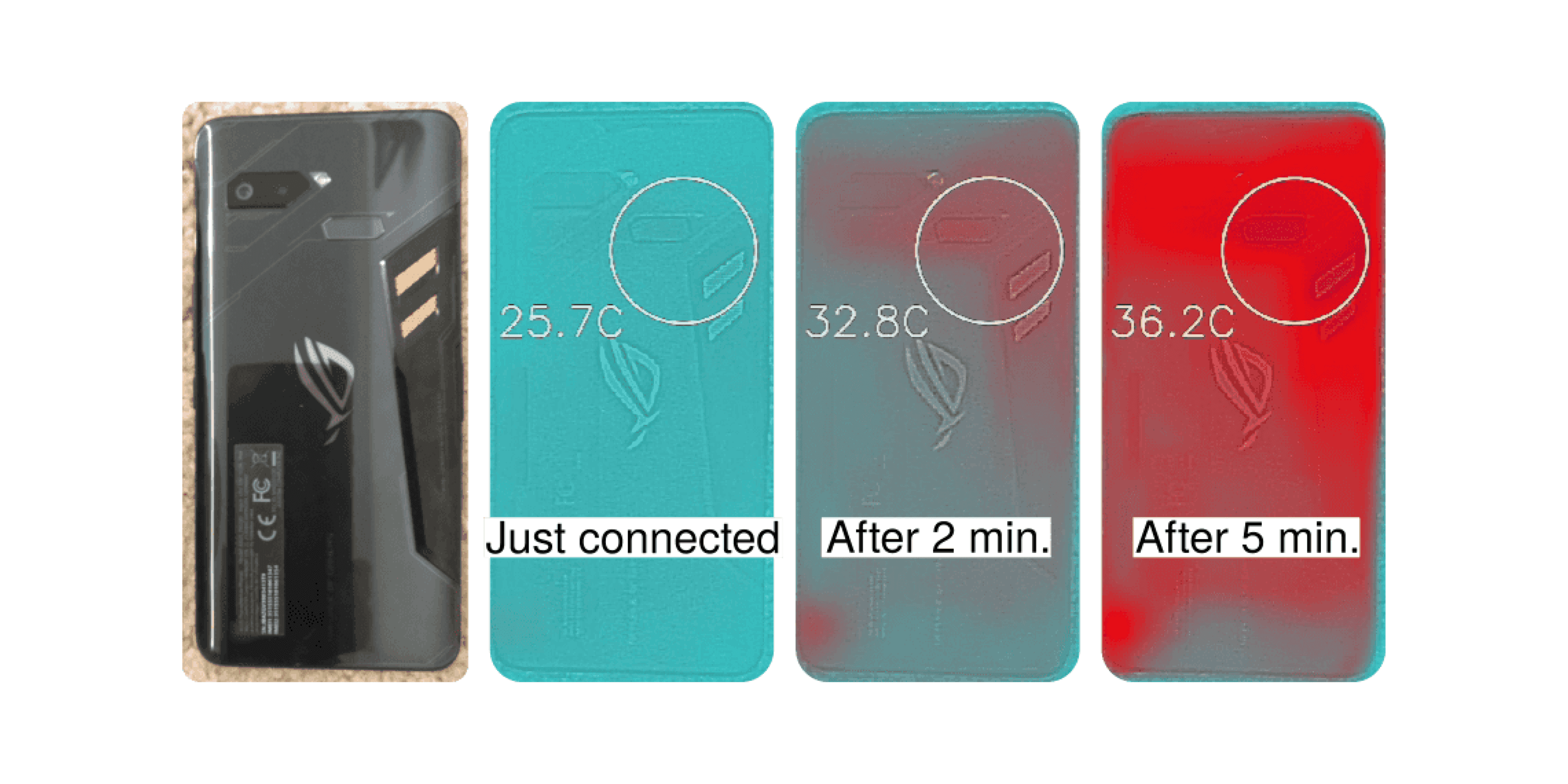
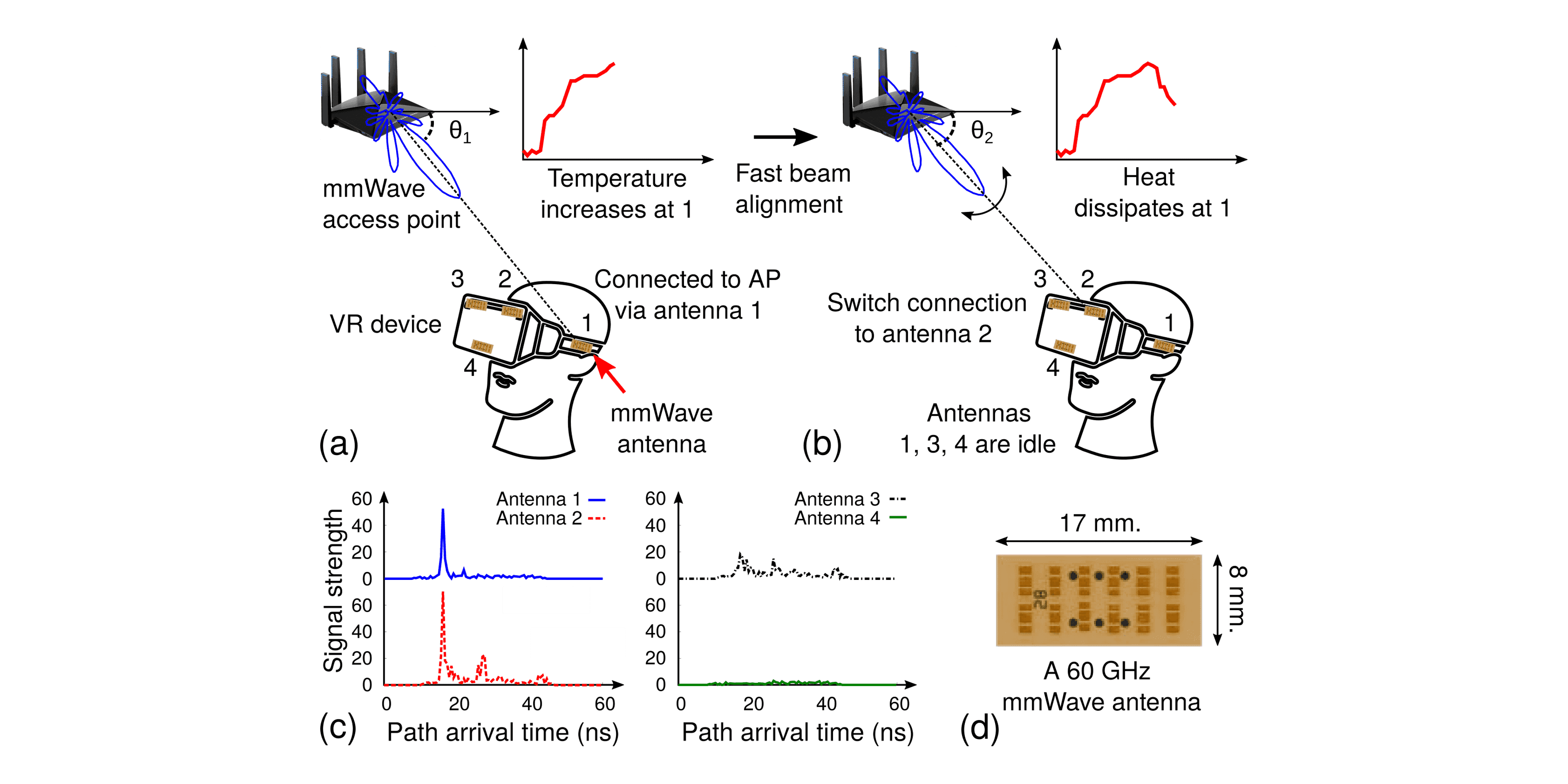
The project addresses the key challenges by executing three thrusts: (1) MilliNet: To overcome high signal attenuation, millimeter-wave radios must focus their power via highly directional, electronically steerable beams. But, aligning the beams and maintaining the link between devices during obstruction and mobility are the fundamental barriers toward reliable connection. MilliNet, a faster beam alignment protocol, draws on ideas from the sparse channel recovery, allowing the radios to quickly discern the best physical millimeter-wave paths even under thousands of beams and picocell choices. (2) ReconMilli: To achieve spectrum flexibility, next-generation radios must be able to operate over a wide range of the spectrum, from micro-wave to millimeter-wave. But the fundamental challenge is that physical space on mobile devices is limited. ReconMilli, a reconfigurable antenna design, joins multiple millimeter-wave antennas physically into a micro-wave antenna, but splits it, when needed, into multiple millimeter-wave antennas; thus, achieving spectrum flexibility and saving physical space. (3) LiMesh: To make the deployment and maintenance of a 5G picocell mesh easy, mobile operators will use multi-Gbps fixed millimeter-wave links. Yet, disruptions in the wireless mesh are common; but, more importantly, such disruptions are catastrophic for ultra-reliable connectivity. LiMesh, an ultra-reliable picocell mesh design, leverages the fixed geometrical arrangement of the directional links to infer disruptions using a space-time failure correlation metric proactively. The research project will design, build, and empirically validate the proposed systems in millimeter-wave wireless test-beds.